Author: Jeremy Iggers

  • North Coast: The Tasting Menu is Back

    My guess is, Ryan Aberle dreams of someday running a restaurant like Grant Achatz’s Alinea in Chicago, or Thomas Keller’s Per Se in Manhattan. For the time being, though, he’s the executive chef at North Coast in Wayzata. During the summer months, Aberle runs a high volume feeding operation, turning out Thai chicken wraps and bacon cheeseburgers and Caesar salads for the crowds that pack the dockside patio.

    When the leaves start to fall, and the crowds thin out, Aberle gets a chance to do something a bit more creative. He has already pushed his dinner menu about as far as a menu at a dockside restaurant can go, with dishes like Moroccan spiced rack of lamb, and Kobe beef short ribs braised in Guinness. But it’s his five-course tasting menu that really gives him a chance to show off his talent.

    The prix fixe offerings change every couple of weeks, but recent offerings have included starters of juniper-scented Kumamoto oysters with apple-smoked King salmon and yuzu beurre blanc or a lavender braised Angus beef cheek with Stilton and Yukon potato croquette and herb-poached cherries. Last week’s menu, which I tasted, started with a salad of mache with sesame dressing and duck prosciutto, accompanied by a crispy tempura-fried poached egg and a wedge of Cabrales cheese with honey, followed by a vanilla-scented squash and lobster bisque. These were followed by a lamb chop with spiced figs and a pickled fennel and onion slaw, and then braised boneless beef short rib with horseradish spaetzle, and a sweet and sour finale of mango poached in black vinegar with coconut ice cream and a butterscotch pudding.

    Not every course was as memorable as the first, but the overall batting average was pretty high, and it’s hard to beat the price: $35 for five courses, ($29 on Sundays), plus $20 for the optional flight of four 4-oz. glasses of wines (decent, not great) to accompany the first four courses. The new menu, which starts today, starts with kobe beef shabu-shabu, followed by monkfish Benedict, Tallegio “eclairs” and a pheasant confit cake with pumpkin coffee gnocchi and a spiced poached crab apple with hazelnut cream.

    The cuisine may be haute, but the setting and service are more casual – a long bar in the center of the dining room is ringed with at least 10 large flat-screen TVs, mostly tuned to sports channels, which creates an atmosphere a bit less refined than, say, the dining room at Cosmos or D’Amico Cucina. And our young server was friendly and attentive, but not as polished as her counterparts at other restaurants that attempt cuisine of this caliber.

    A six course $85 wine dinner featuring the wines of Cakebread Cellars on Friday, November 2 is sold out, but there are still a few places left for the second dinner on Saturday, November 3.

    North Coast, 294 E. Grove Lane, Wayzata, 952-475-4960.

  • What About Muffuletta?

    My esteemed colleague Ann Bauer is one tough critic. Last month, she claimed that there were only two restaurants in Saint Paul where you can get a decent upscale meal – I Nonni and Heartland, and in her most recent blog posting (see below) – she added Zander Cafe to the list.

    My list is a little longer – I’d rate Muffuletta as one of the best restaurants on either side of the river. Chef J.D. Fratzke’s ever-changing menu combines local ingredients and global influences in dishes such as Moroccan spice-rubbed beef short ribs with preserved lemon relish, or pan-seared Arctic char with braised leeks, wild mushrooms, prosciutto and lobster-citrus sauce.

    And what about Jay’s Cafe? The decor may be too modest, and the prices too reasonable, to qualify as “upscale,” but I have thoroughly enjoyed chef-owner Jay Randolph’s’ Midwestern cuisine. I’ve also had some pretty decent meals at Cafe Biaggio, Pazzaluna, and the Downtowner Woodfire Grill, though I haven’t dined at any of them very recently.

    I do share Ann’s preference for contemporary creative cuisine, but when I am in the mood for classic Americana, The Lexington serves up a perfectly decent dining experience.

  • Mill City Farmers Market: Free Beer Tomorrow!

    The Mill City Farmers Market wraps up its 2007 season tomorrow (Saturday) from 8 a.m. to 1 p.m. with a Fall Harvest Festival. Highlights include a tasting of local wines and beer; a cooking demonstration by local chefs making fall stews, appearances by market mascot Roostini, and a mother hen and her chicks, music by the Light of the Moon band, and a pumpkin puppet-making class taught by puppeteers from Heart of the Beast Puppet and Mask Theater. The market is located between the new Guthrie Theater and the Mill City Museum on the Mississippi riverfront in downtown Minneapolis.
    For details, visit the Mill City Farmers Market website.

  • Pro-Fusion

    You can argue whether globalization is good for the planet or good for workers, but when it comes to gastronomy, the influx of foreign flavors has definitely enlivened the local dining scene.

    Mention fusion cuisine nowadays, and people are likely to think of the high-end stylings of celebrity chefs like Wolfgang Puck and Jean-Georges Vongerichten. Puck’s 20.21 menu at Walker Art Center combines East and West in dishes such as Shanghai Maine lobster with crispy spinach and Chinese risotto, while Vongerichten’s menu for Chambers Kitchen occasionally marries East and Midwest—as in a Berkshire pork chop with shiitakes and snowpeas, or a tempura salt-and-pepper walleye.

    But look a little further, and you’ll find fusion everywhere: Somali restaurants like Safari and Hamdi serve roasted goat over Italian spaghetti, a legacy of Italian colonialism. When local Ecuadorians get homesick, they go to Charly’s Polleria in northeast Minneapolis, or the Guayaquil Restaurant on East Lake Street, and order a heaping plate of chaulafan-fried rice with ham and chicken, which they learned to love at the Chinese restaurants in Quito and Guayaquil. At BonXai in St. Paul, a Hmong family took over a low-rent steak house, and added Thai curries and Italian pastas to the menu—along with a seared tuna salad that probably came from Japan via California, but can now be found in different versions on half the menus in town. The banh mi sandwiches available for takeout at Vietnamese delis like Saigon Express and Vinh Loi are made on baguettes, and slathered with mayonnaise and pork pâté, relics of the French colonial influence. And Vietnamese restaurants aren’t the only places serving banh mi anymore: The new Blackbird restaurant at 50th and Bryant in Minneapolis serves banh mi on focaccia, alongside curried lamb meatballs, crawfish hotdish, and pizza topped with Brie and apples.

    Then there’s a sophisticated type of fusion, as at Ngon, a stylish new Vietnamese bistro in St. Paul’s Frogtown. According to its website, Ngon “strive[s] to use locally produced ingredients whenever possible and do our best to support the local economy; from using organic Peace Coffee in our Vietnamese coffee mix to having an exclusively Minnesota beer list” (it also boasts a sophisticated wine list). The flavors here are distinctly Vietnamese—their pho (beef noodle soup) is one of the best in town—but you’ll also find such hybrids as Vietnamese beef over pappardelle noodles, a superb ahi-tuna mango salad, and a succulent lamb shank with pho spices, served over lemongrass rice.


    Locally speaking, fusion isn’t exactly new; East and West have been meeting in Minnesota for decades. Minnesota chow mein, with its rich green slurry of stewed celery, minced pork and crispy fried noodles, is unknown in China, but has been a tradition here since at least the 1930s. Cooking teacher and restaurateur Leeann Chin has introduced generations of Midwesterners to the joys of cream-cheese wontons and Chinese chicken salad. (The bar menu at 20.21 pays tribute to this venerable tradition by offering both a Chinese chicken salad and mini-burgers of Kobe beef topped with a wasabi aioli.)

    Back in the day, restaurant critics and food snobs like yours truly used to turn up their noses at cream-cheese wontons because they weren’t “authentic.” But one good thing about globalization is that it’s putting that whole silly conversation about authenticity to rest. What’s authentically Japanese? Tempura? Nope—introduced by Portuguese sailors in the sixteenth century. Tonkatsu? Another Western import, originally known as katsu retsu, which was how the Japanese pronounced cutlet.

    The Japanese did invent teppanyaki cooking shortly after World War II as their own version of East-West fusion, but it really took hold in the U.S. thanks to immigrant chef Rocky Aoki, who built his Benihana chain of Japanese steakhouses on the premise that (as quoted in a Harvard Business School case study) “Americans enjoy eating in exotic surroundings but are deeply mistrustful of exotic foods.” And what about the spider rolls, rainbow rolls, and other specialty rolls served at so many local Japanese restaurants? They trace their ancestry to the California roll, invented in Los Angeles in the early ‘70s. Mt. Fuji, the Chinese-owned sushi and hibachi restaurant in Maple Grove, takes sushi innovation one step further: its “French-style” sushi includes rolls like the Treasure Island, filled with yellowtail tuna, blue crab, and crunchy tempura crumbs, topped with flying-fish roe in neon shades of red, orange, green, and black. This is a fantasy version of sushi that has never been seen in Japan or France.


    At its worst, fusion is a dumbing-down of ingredients taken out of context, for instance when steak, chicken, or fish are slathered with sweet-and-salty teriyaki sauce. But at its best, it brings together ingredients from different cuisines in imaginative juxtapositions—or, through innovative preparation or presentation of traditional dishes, offers a new insight or fresh appreciation.

    Saffron, in the Minneapolis Warehouse District, excels at fusion, even though Chef Sameh Wadi says he doesn’t like the term: “When I think of fusion, I think of wasabi mashed potatoes, and that turns me off.” But Wadi’s cuisine draws inspiration from all over the Mediterranean and Middle East: tagines and bisteeyas from North Africa; an eggplant dish from Turkey; a seasonal appetizer of white cheese and watermelon, popular in Egypt. (The menu changes frequently; don’t expect to find all those dishes when you visit.) The fusion concept is carried even further by combining those flavors with the aesthetics of contemporary cuisine. “In the Middle East we think about flavor only, and it’s not very pretty,” says Wadi. Best bets from Saffron’s current menu include the bisteeya, presented in a beggar’s purse, and the salmon and clam tagine, prepared with saffron, peppers, olives, fennel, and Yukon Gold potatoes.

    Some of the most creative culinary fusions come about when chefs from immigrant backgrounds get professional training and experience. Wadi was born in Kuwait of Palestinian parents, trained at the Art Institutes International in downtown Minneapolis, and worked at Solera and La Belle Vie before opening Saffron with his brother Saed.

    Hector Ruiz, chef-owner (with his wife Erin Ungerman) of the delightful new Café Ena in south Minneapolis, followed a similar path. Born in L.A. and raised in Mexico, he started cooking locally at Tucci Benucch in the Mall of America, and wound up in the Brown College’s Cordon Bleu Culinary Arts Program; that led to an internship with chef Alain Senderens at Lucas Carton in Paris (back before Senderens Restaurant renounced his three Michelin stars, cut his prices, and renamed the venerable restaurant after himself). The result is a repertoire in which more or less traditional preparations like the chile en hogada, a roasted pepper stuffed with ground beef, almonds and raisins, play off North American dishes like salmon croquetas, which are given a Latin flair. (At El Meson, Ruiz and Ungerman’s other restaurant, the menu has a more Caribbean flavor, but a similar versatility.)

    Sometimes fusion is very personal, as is the case with Nina Wong, who is ethnically Chinese, born in Vietnam, and raised in Minnesota, and Thomas Gnanapragasam, who is of Indian ancestry and was raised in Malaysia. When they married, Wong renamed her restaurant, formerly East River Market, the Chindian Café, and added daily specials like Indian Madras chicken and Malaysian nasi lemak to a menu of Chinese stir-fries, Asian noodle salads, and Vietnamese spring rolls.

    One of the most improbable fusions anywhere is the Ethiopian-Malaysian menu at T’s Place on East Lake Street in Minneapolis. Chef-owner Tee Belachew learned Malaysian cooking from his neighbor, Kin Lee, when Lee was the chef at the Singapore Restaurant in Maplewood; for a time, the two were partners at Singapore! in south Minneapolis. T’s Place offers traditional Ethiopian dishes as well as a sampling of Asian dishes prepared with Ethiopian seasonings. Lovers of steak tartare, for instance, will enjoy its Ethiopian counterpart, kitfo: chopped beef seasoned with clarified butter and light chili pepper, available raw, lightly seared, or fully cooked. Belachew’s Asian specialties, such as the spicy bean curd and spicy shrimp, don’t have the subtlety of versions you might find at Peninsula or Singapore! (where Kin Lee is again cooking, after a long absence), but for gastronomic adventurers they’re worth a try. Belachew struggled against long odds to open his own restaurant, and still faces big challenges, ranging from road construction on Lake Street to finding reliable staff, so I’m rooting for him; if the wait’s too long at the Town Talk Diner down the block, stop in at T’s.

    With Azia and now Temple, chef-owner Thom Pham has created two of the sexiest and most sophisticated-looking dining spaces in the Twin Cities. I admire Pham’s effort to break out of the low-budget Asian restaurant ghetto, so I wish I could be more enthusiastic about the cuisine. Unfortunately, most of my experiences at both restaurants have been disappointing. The Asian fusion at Azia invites comparison with other Eat Street restaurants that have livelier fare and lower prices, including Yummy for Chinese, Peninsula for Malaysian, and Quang and Pho Tau Bay for Vietnamese. And Temple’s prices put it in competition with hot spots like 20.21 and Chambers Kitchen, but gastronomically it isn’t in their league. My suggestion: Try both places at happy hour (daily from 3 to 6 p.m. and 10 p.m. to 2 a.m.), when half-price appetizers and cocktails are more in line with value.


    20.21 Restaurant & Bar by Wolfgang Puck
    in the Walker Art Center, 1750 Hennepin Ave., Minneapolis; 612-253-3410; www.wolfgangpuck.com

    Azia
    2550 Nicollet Ave. S., Minneapolis; 612-813-1200; www.aziarestaurant.com

    Blackbird
    815 W. 50th St., Minneapolis; 612-823-4790; www.blackbirdmpls.com www.blackbirdmpls.com

    Café BonXai
    1613 University Ave. W., St. Paul; 651-644-1444

    Café Ena
    4601 Grand Ave. S., Minneapolis; 612-824-4441; www.cafeena.com

    Chambers Kitchen
    in the Chambers Hotel, 901 Hennepin Ave. S., Minneapolis; 612-767-6999; www.chambersminneapolis.com

    Charly’s Polleria
    2851 Central Ave. N.E., Minneapolis; 612-789-9535

    Chindian Café
    1500 E. Hennepin Ave., Minneapolis; 612-676-1818; www.chindiancafe.com

    Guayaquil Restaurant
    1526 E. Lake St., Minneapolis; 612-722-2346

    Hamdi Restaurant
    818 E. Lake St., Minneapolis; 612-823-9660

    Mt. Fuji
    7094 Main St. N., Maple Grove; 763-315-5885

    Ngon Bistro
    799 University Ave., St. Paul; 651-222-3301; www.ngonbistro.com

    Safari Restaurant
    1424 Nicollet Ave., Minneapolis; 612-872-4604; www.safarirestaurantmn.com

    Saffron
    123 N. Third St., Minneapolis; 612-746-5533; www.saffronmpls.com

    Saigon Express
    2538 Nicollet Ave., Minneapolis; 612-870-7979

    Temple
    1201 Harmon Pl., Minneapolis; 612-767-3770; www.mplstemple.com

    T’s Place
    2713 E. Lake St., Minneapolis; 612-724-8868

    Vinh Loi BBQ
    2515 Nicollet Ave. S., Minneapolis; 612-872-2282
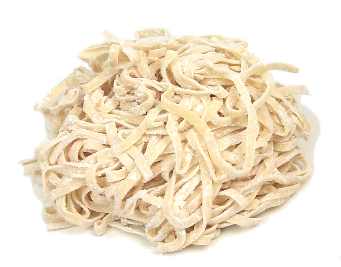
  • Keefer Court – The Noodles Are Back!

    chineseeggnoodles.jpg

    Back about 20 years ago, I wrote an enthusiastic review of the traditional Cantonese cuisine served at the Keefer Court Bakery & Cafe. The little storefront at Cedar and Riverside started as an offshoot of a Toronto Chinese bakery, and the fare reminded me a lot of the food you can find in the restaurants in Toronto’s Spadina Avenue Chinatown: simple and inexpensive rice plates and noodle dishes, plus a good selection of Chinese pastries and buns. Keefer Court closed its 16-seat cafe about 15 years ago to concentrate on its bakery and fortune cookie business, but a big blow-up poster copy of my review stayed in the front window, year after year, until very recently.

    The poster is finally gone, but maybe it’s time to bring it back: the bakery recently reopened its kitchen, and now offers a big selection of traditional Cantonese fare, including rice plates, noodle dishes, soups and stir-fries. Only a limited selection is featured on the lunch menu, so be sure to request the dinner menu if it isn’t offered. So far, I have only had a chance to sample a few dishes, including the curry beef brisket rice plate ($5.95) and the chicken lo mein ($4.25 at lunch), but there is a lot more that I would like to try, including the salty pork and duck egg congee ($3.85), the roast duck noodle soup ($4.95), and the salt and pepper beef short ribs ($12.95). Be sure to also check out the bakery counter for the steamed and baked buns filled with everything from barbecued pork and curried beef to ham and eggs and coconut custard.

    Keefer Court, 326 Cedar Ave., Minneapolis, 612-340-0937.

  • Heidi's – Opening Soon

    Heidi’s, the long awaited new restaurant from Stuart and Heidi Woodman is set to open “next week,” say the Woodmans, in the former Pane Vino Dolce space at 819 W. 50th St. in south Minneapolis. The Woodmans made their reputation dishing up ambitious haute cuisine at two very high-end restaurants that have both gone out of business – Five and Restaurant Levain (replaced by the more affordable Cafe Levain.) This time around, they are aiming for something a bit more modest: Heidi says all appetizers will be under $9, and all entrees under $19. Stuart describes the cuisine as “modern French…basically food that is prepared in the french style but more modern technique and plate presentation.” Typical dishes will include peppered pork with a bordelaise sauce, served with crispy potato roesti; and sauteed barramundi with roasted parsnips and a mussel jus scented with pico de gallo. (Barramundi, by the way, is Australian sea bass, now being farm-raised in the U.S. Stuart Woodman describes the flavor as a cross between sea bass and snapper; it has gotten some positive press as a “green” species that can be farm-raised with less environmental impact than some other farm-raised species.
    There’s not much to see at Heidi’s website, www.HeidisMpls.com, but I imagine that will change soon.

  • Paris to Barcelona

    Me and the missus decided to celebrate five years of married bliss by going back to the scene of the crime, Paris, France. We had gone out on a few dates in the spring of 2000, before I went off for a fellowship at Oxford. We kept in touch during the spring by email, and when the term ended, we rendezvoused in the City of Light. Not much happened in Paris that would make for exciting reading – we toured the markets together, made dinner together, smooched a little on the couch of a friend’s borrowed apartment in the 13th Arrondissement, and somehow the spark got struck.

    Given the utter improbability of us finding each other, getting hitched, and actually staying in love for five years, we probably should have gone to Lourdes to give thanks, but we went instead on a meandering trip through the countryside. We stopped in the Loire Valley and Burgundy to visit old friends, and then headed to the Dordogne, home of truffles, ducks, geese and foie gras.

    Foie gras seemed to be on nearly every menu in Dordogne, and I will confess that I ate my share: a big tranche of foie gras as an entree at L’Os a Moelle in Paris; roast quail over foie gras at La Recreation in Les Arques, foie gras and artichoke heart at La Belle Etoile in Roque-Gageot. It’s a very sensuous taste experience – with a flavor both impossibly rich and extremely delicate.

    It’s also a touchy subject on this side of the Atlantic – the city of Chicago has banned it from restaurants, and the state of California has set a deadline of 2012 to end production and sales of the fatty bird livers. The charge is cruelty, since the birds are force-fed a high-salt diet to produce the delicacy.

    I’m in sympathy with the motivations of animal rights activists, and I eat a lot less meat than I used to. I try to support the restaurants that serve humanely and sustainably produced meats. But based on everything I have read, I am not convinced that the force-feeding of ducks and geese (gavage in French) causes nearly as much suffering as the meat production practices that are routine on factory farms, especially in the US. In the Dordogne, local farmstead producers even offer farm tours, with tasting of their products, and demonstrations of gavage. You’ll have a hard time finding a commercial producer of pork, beef or eggs in the US willing to let consumers see how their animals are treated.

    At any rate, I didn’t take notes on my dining experiences – I promised Carol that this wouldn’t be a working vacation – so now a lot of wonderful food swims in my memory as a diffuse fog of recollected pleasure – succulent lobster ravioli in a langoustine sauce at La Recreation, a hearty plate of steak tartare in a Paris bistro; magret de canard medium rare with tender cheese quenelles at the Belle Etoile.

    One meal was a pilgrimage – a few years ago, I had read Michael Sanders’ book, From Here You Can’t See Paris: Seasons of A French Village and Its Restaurant, about a struggling village in the Lot whose inhabitants recruited a young chef from Marseille to turn their abandoned schoolhouse into a destination restaurant. When I discovered that the village, Les Arques, was near our route, we made a point of a lunchtime visit. The 30 Euro ($42) five course prix fixe menu was one of the gastronomic highlights of our trip, with highlights including lobster ravioli in a langoustine sauce, scallops in passionfruit sauce, medallions of monkfish with stuffed zucchini blossoms, and a sublime nougat glace.

    Our final destination was Barcelona. Barcelona is just a short train ride from the French border, but the culinary culture is vastly different. Catalan cooking isn’t as delicate or sophisticated as French cuisine, but what it lacks in delicacy, it makes up for in robust flavor. If in France, food is a religion, in Catalonia it is a sport. Our best meal in Barcelona – our anniversary dinner, actually -was a perfectly seafood paella for two at the venerable Set Portes, the oldest restaurant in the city. But perhaps the most memorable meal was a late-night outing for tapas at La Flauta on Balmes. At 11 p.m., every table in the dining room was taken, with a line as long as the tapas bar of eager customers waiting for a seat – and diners were still arriving when we left around midnight. The dishes we sampled, like an eggplant tortilla (a kind of frittata), a shrimp salad, patatas bravas (fried potatoes with a spicy tomato sauce), offered robust flavors that matched the energy level of the diners.

    I don’t want to stereotype Catalan cuisine as hearty but unsophisticated, though that’s just the kind of food that we sought out. Catalonia is actually at the cutting edge of world gastronomy, thanks to such celebrated chefs as Ferran Adria at El Bulli; neurologist-chef Miguel Sanchez Romera at L’Esguard, and Quique Dacosta at El Poblet. (To get a sense of the direction in which these chefs are taking cuisine as art form, spend a little time surfing the El Poblet website.)
    I didn’t even try to get reservations for any of these gastronomic pilgrimage sites; reportedly El Bulli gets 300,000 calls for reservations every year, and its hopeless unless you call many months in advance. Maybe if I start dialing now, I can get a reservation in time for our tenth…

  • More Frog Legs – You Got a Problem With That?

    What do Kim Bartman of Cafe Barbette and Bryant Lake Bowl, Brenda Langton of Spoonriver, Lenny Russo of Heartland, Tracy Singleton of the Birchwood Cafe, Lucia Watson of Lucia’s Restaurant, Jim Grell of The Modern Cafe, Steven Brown, formerly of Harry’s Food and Cocktails, and J.P. Samuelson of jP American Bistro all have in common?

    They all have a strong commitment to local, sustainable food, and they have all donated gift certificates to the silent auction at next week’s monthly Eastside Coop Food Forum, to be held Wednesday, October 10 at the Ritz Theater, 345 13th Ave. N.E., Minneapolis. No food will be served at the forum, but there will be plenty of food for thought – the event, co-sponsored by the Land Stewardship Project, is a fundraiser for the whistleblower lawsuit filed by former state hydrologist Paul Wotzka. Wotzka was fired by the Minnesota Pollution Control Agency after he requested permission to testify before a state legislative committee on the levels of atrazine in Minnesota water. Also speaking will be UC Berkeley biologist Tyrone Hayes, an expert on the impact of atrazine on amphibians; and Minnesota state senators John Marty and Ken Tschumper.
    The doors open at 6:15, with music by Paul Metza from 6:30 to 7, and the program from 7 to 9 p.m. Suggested donation is $20, but nobody will be turned away.

  • Tam-Tam's African Restaurant

    You don’t really have to be a gastronomic adventurer to enjoy the cuisine at Tam-Tam’s African Restaurant in the Cedar-Riverside neighborhood, but if you are looking for something out of the ordinary, the option is there. The menu really covers most of the continent, ranging from Ugandan Hunter’s Ribs ($11.99), an enormous portion of grilled marinated beef ribs, served on the bone, to West African palm butter stew, served with your choice of chicken beef or goat ($11.99), and Ethiopian Injera n’ Wot, a dish of spicy chicken and vegetables served over flat bread ($9.99). I stopped in recently and had the lunch special of beef stew ($7.99 / $11.99 for dinner), tender chunks of beef in a rich gravy, accompanied by a couple of sides.I chose the collard greens, and the ugali, a steamed corn meal dumpling that’s perfect for sopping up gravy. Ugandan-born owner Steven Kaggwa is a genial and engaging host, happy to answer questions about the menu.
    Tam-Tam’s now also offers wine and beer, including South African and Ethiopian vintages, as well as Tusker beer from Kenya – and highly rated Bell’s beer from Uganda is expected to arrive soon.
    Tam-Tam’s African Restaurant, 605 Cedar Avenue South, Minneapolis,.

  • Chew on This

    veg.jpeg

    Darn! Shiraz Fireroasted Cuisine offers a terrific deal on Mondays and Tuesdays: order two entrees, and get a bottle of South African Mazulu Shiraz on the house. But I can’t persuade my wife to go there with me because they don’t have any vegetarian or seafood entrées — just beef, lamb and chicken. Best bests on the menu include the beef and chicken kabobs and koubideh (ground meat kabobs), the lamb shank, and the bastani, Persian rosewater ice cream. 6042 Nicollet Ave. S., Minneapolis; 612-861-5500.

    Kung Gang San Korean Restaurant (the former Shilla, which was a lot easier to remember) has added a sushi bar – billed as Sushi World, plus a lunch buffet ($9.95) featuring mandoo (panfried dumplings), kimbop (Korean vegetarian sushi roll), kalbi (broiled short ribs), several varieties of kimchi, and more, plus a sampling of their sushi specialties. 694 N. Snelling Ave St. Paul (651) 645-2000.